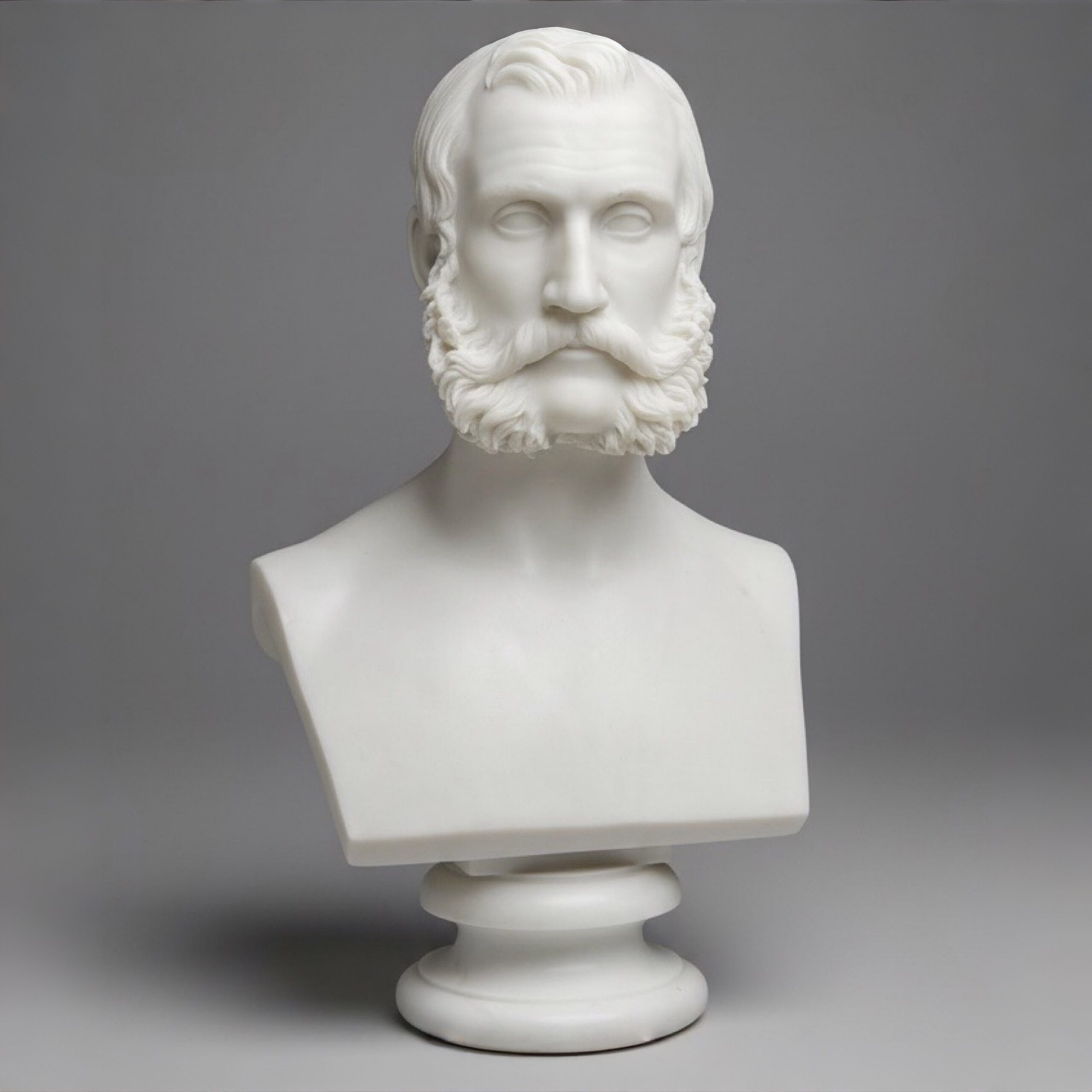
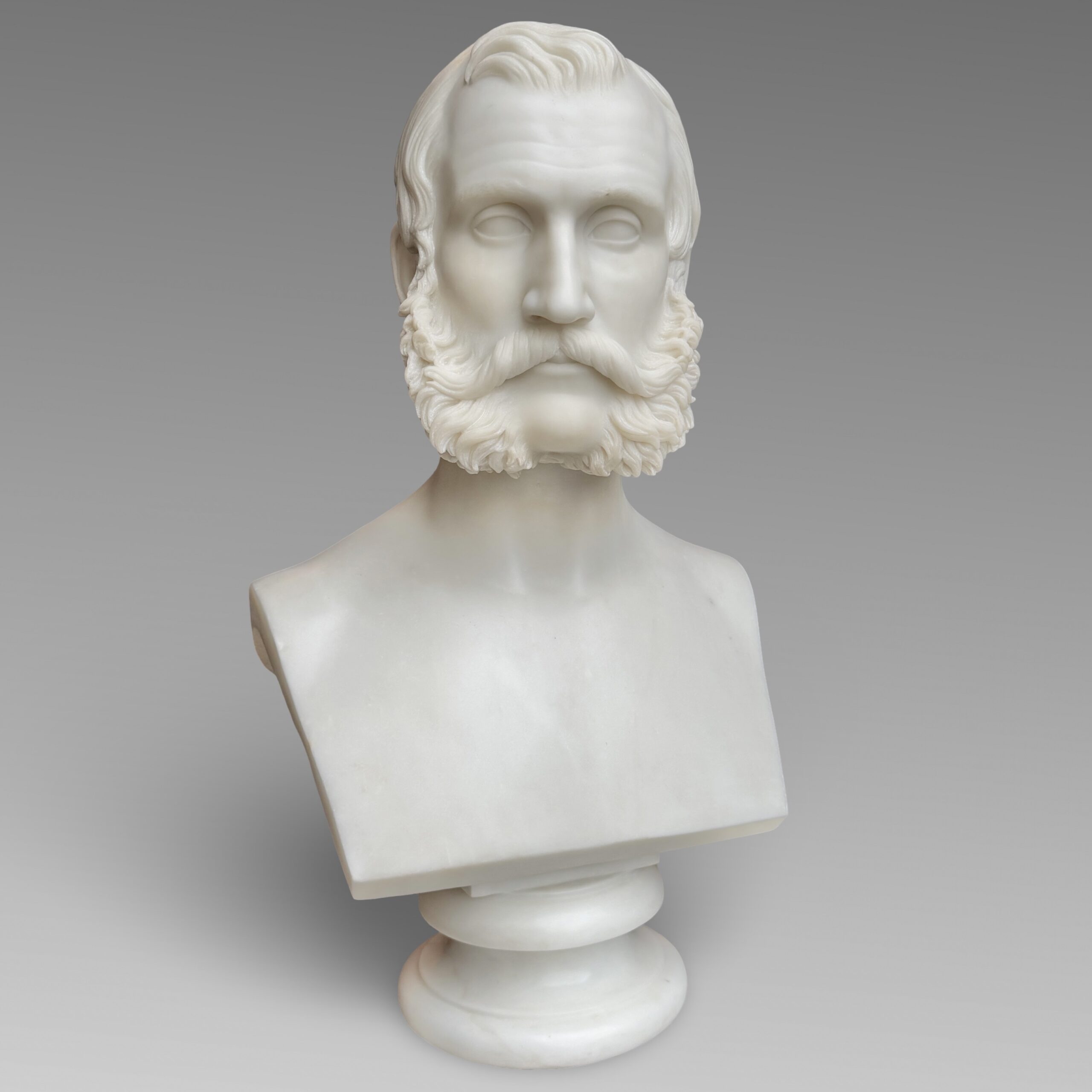
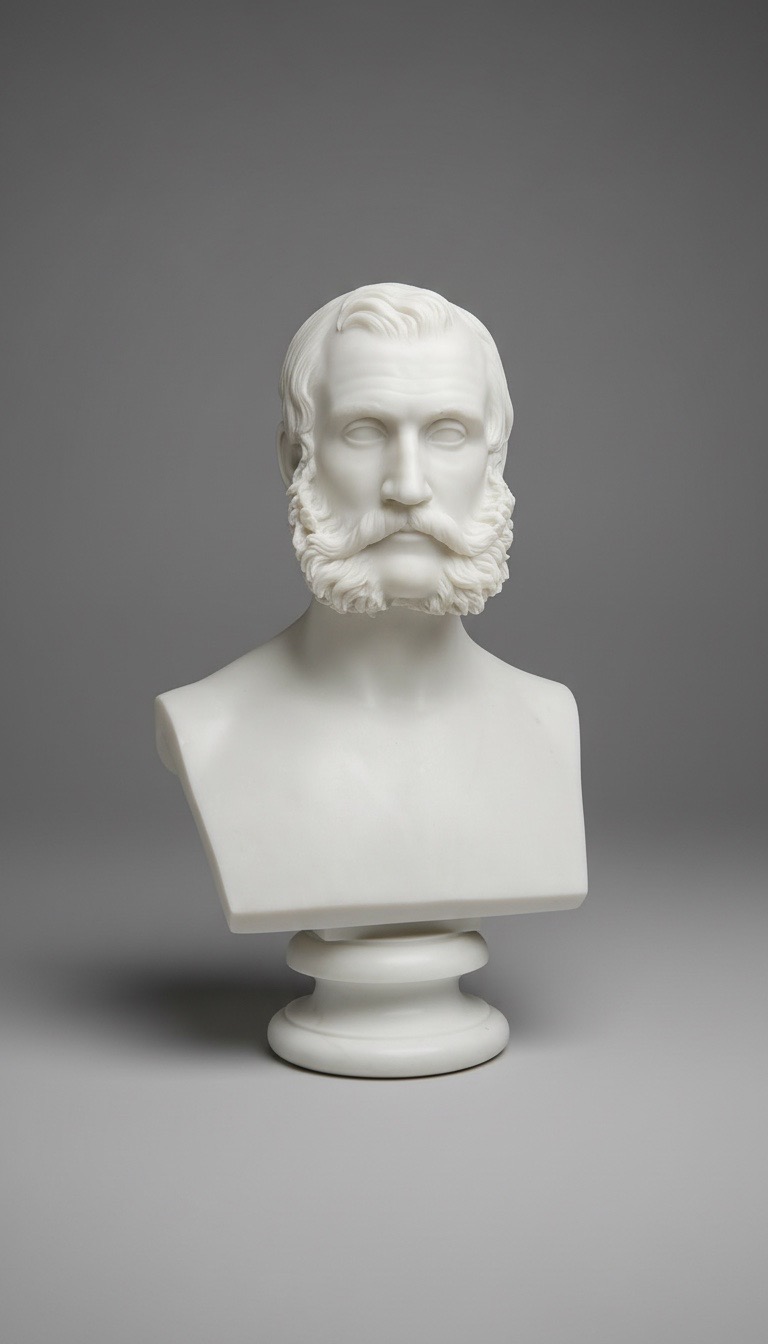
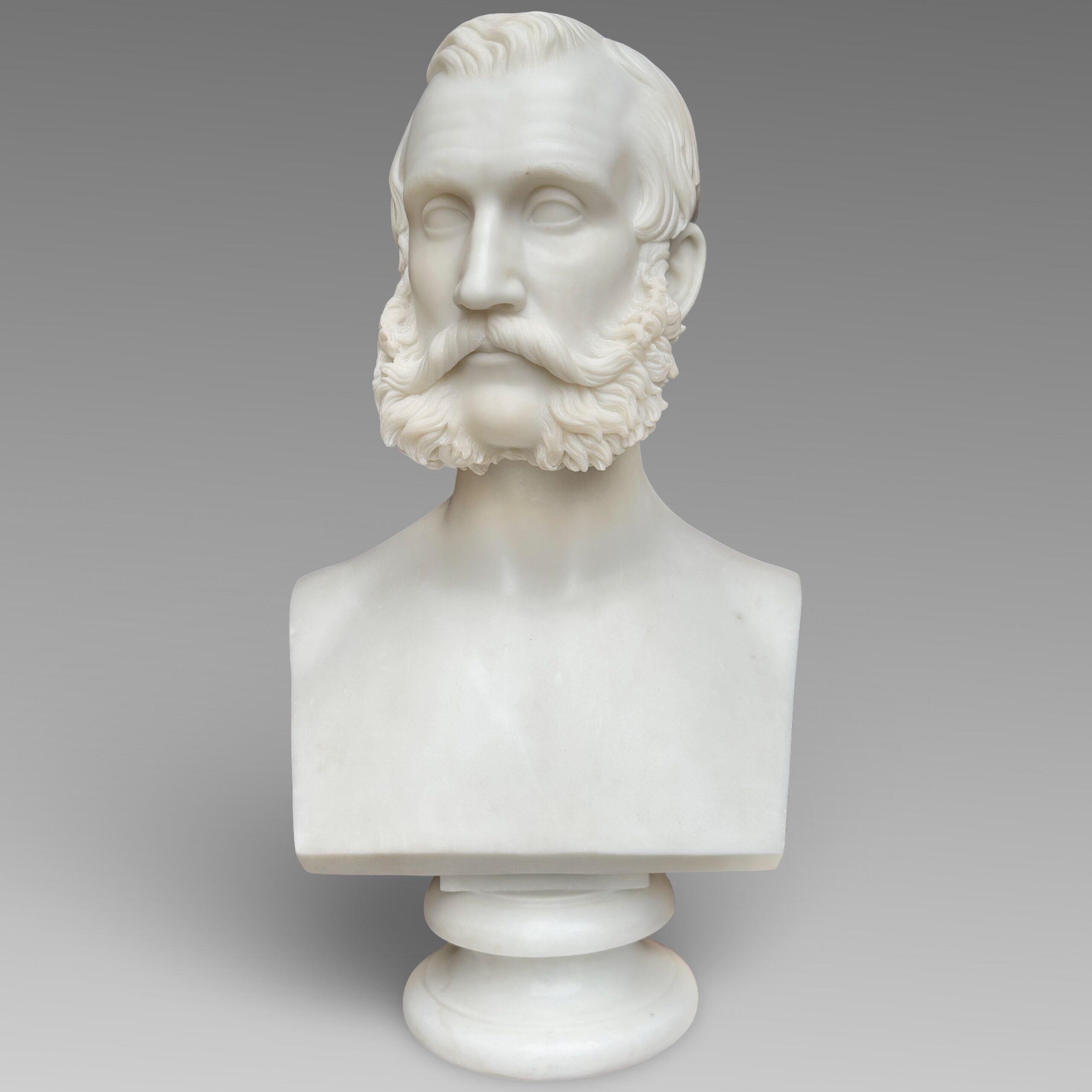
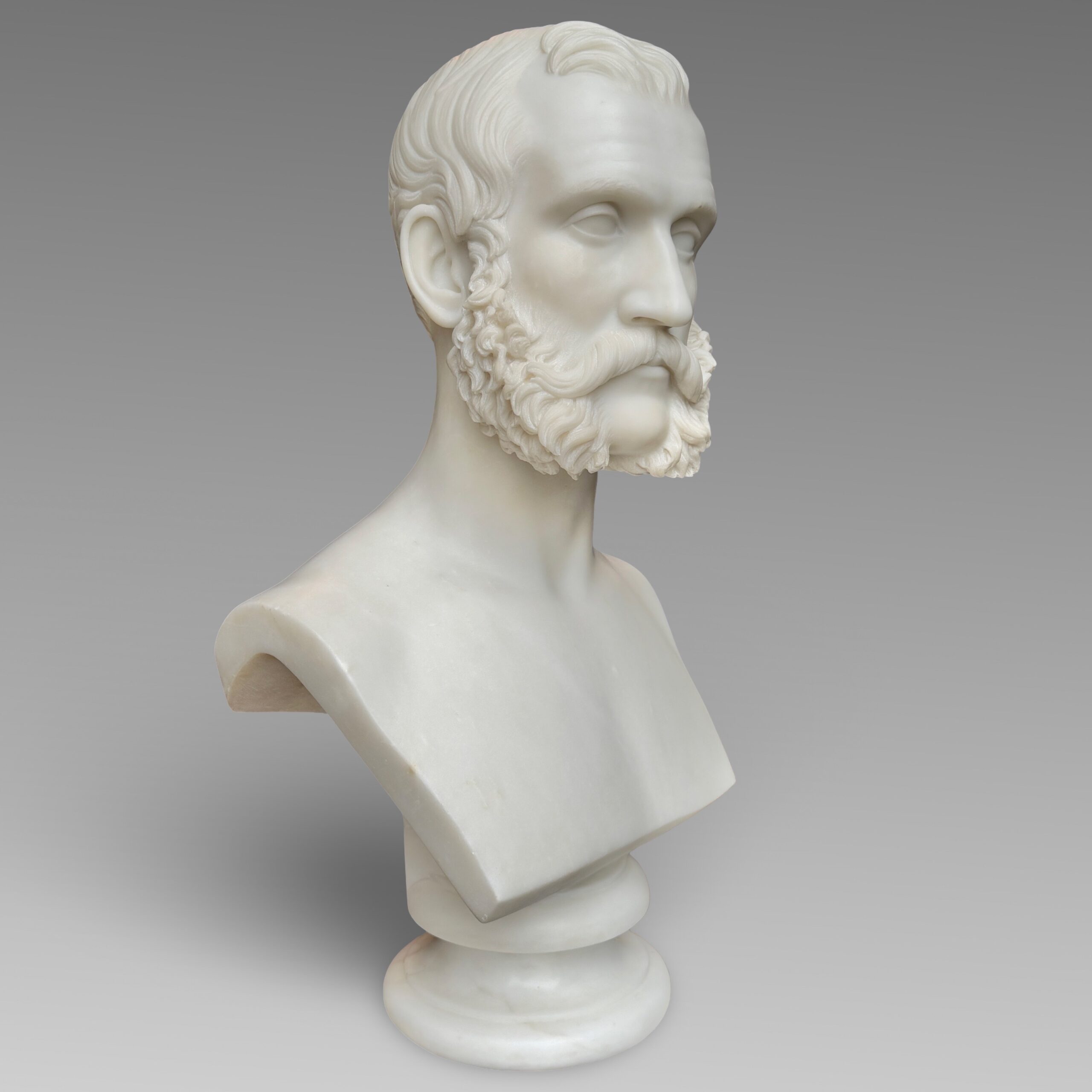
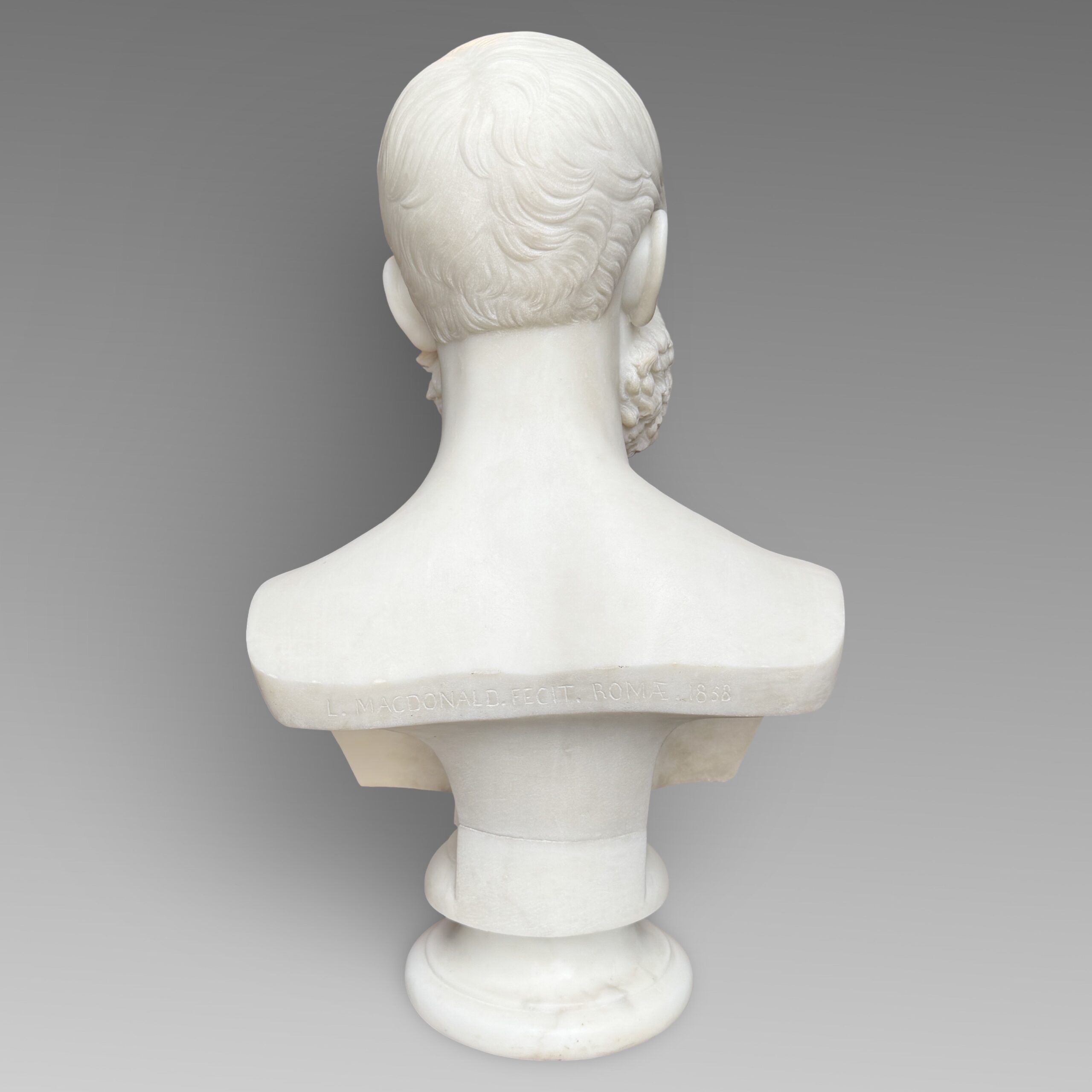
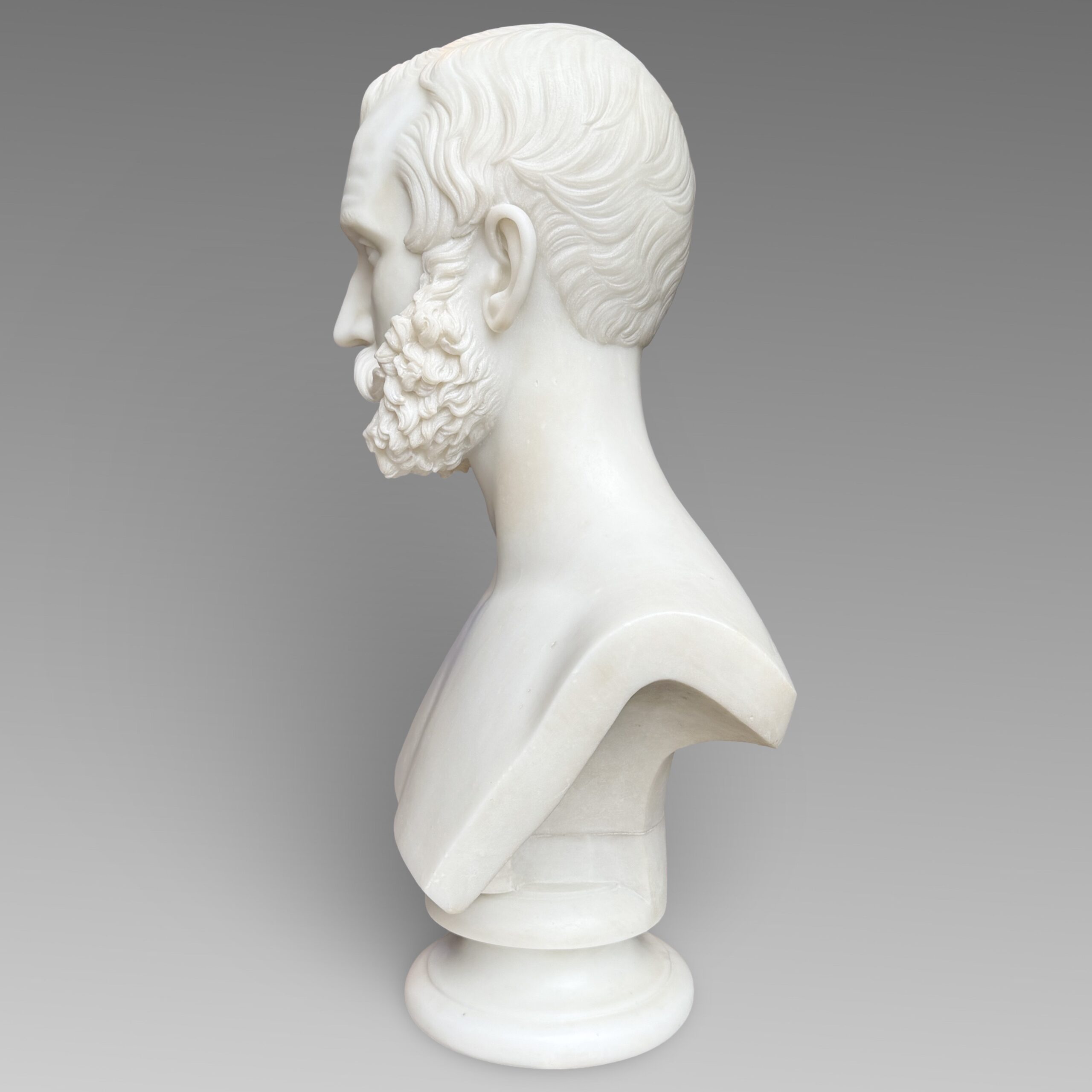
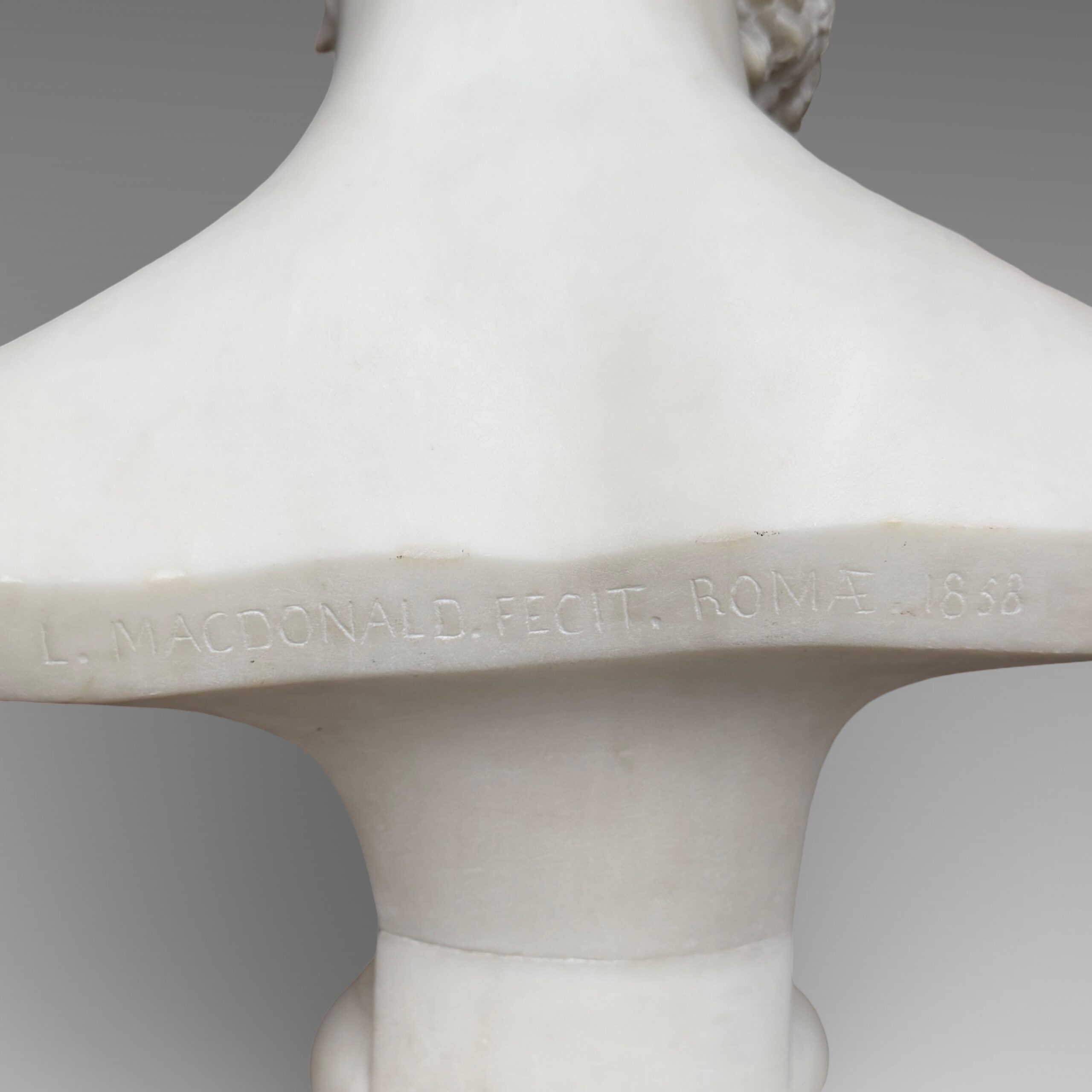
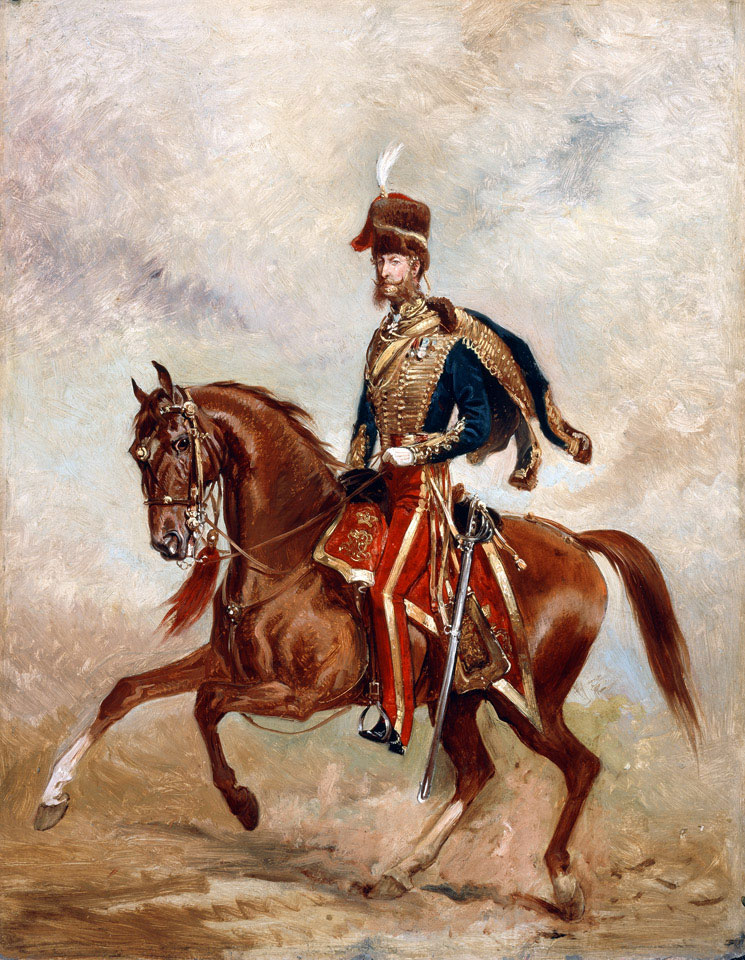
Antique Marble Bust of The Earl of Cardigan by Lawrence Macdonald
£4,600
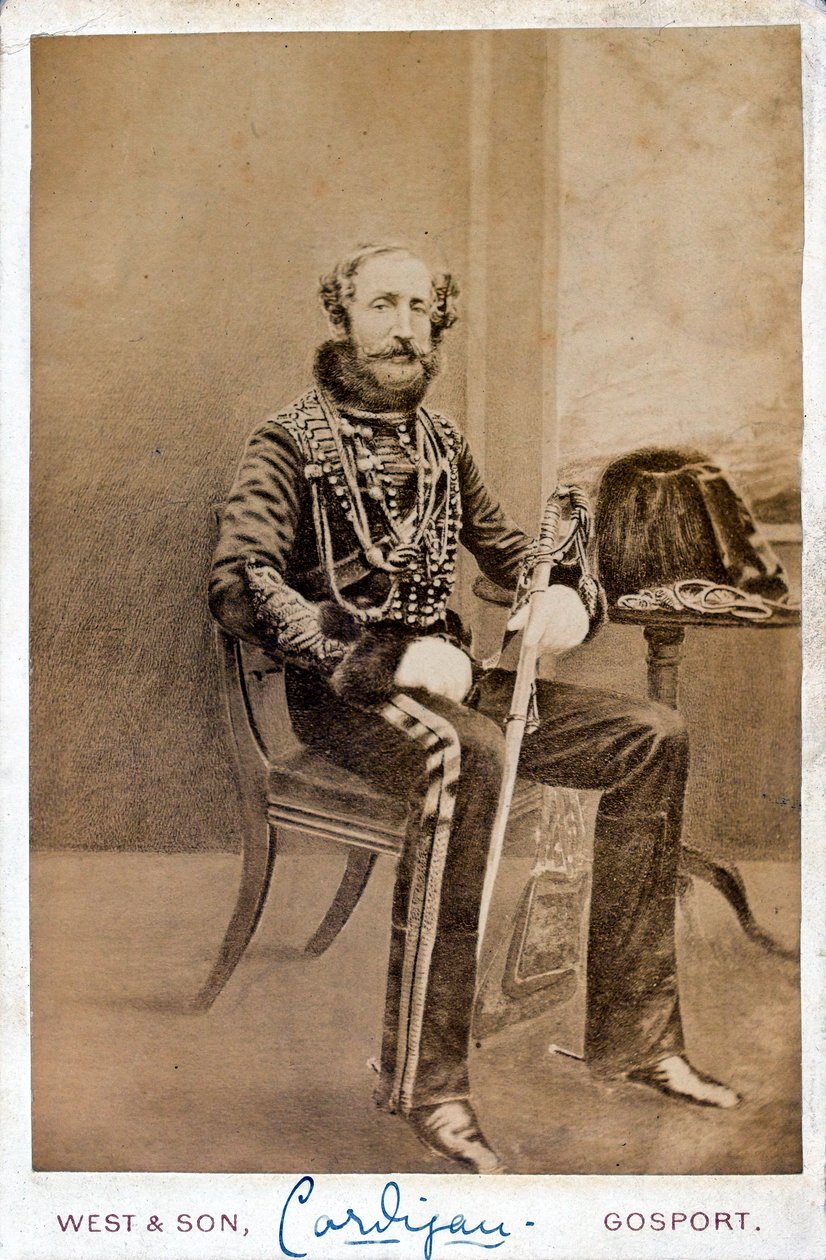
A finely carved marble bust of James Thomas Brudenell, 7th Earl of Cardigan carved by Lawrence Macdonald in Rome in the year 1858. James Thomas Brudenell, 7th Earl of Cardigan is well known as the British Army officer who commanded the Light Brigade during the Crimean War
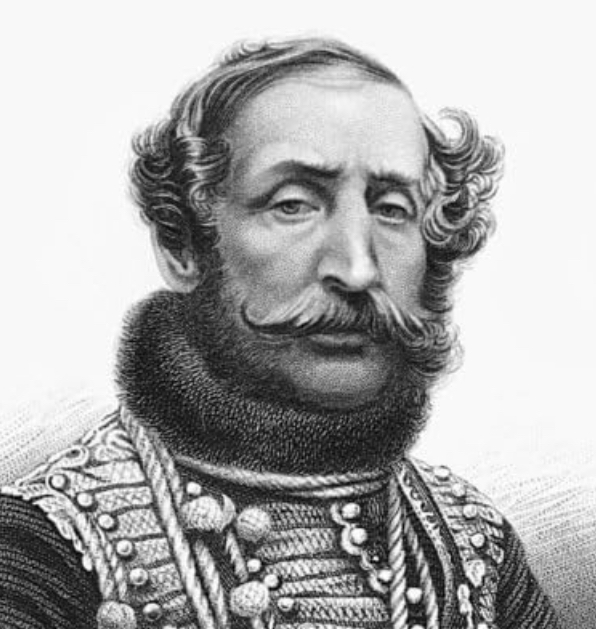
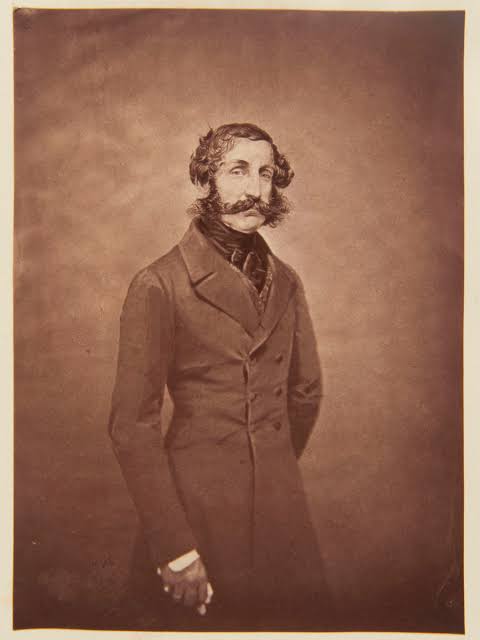
Lieutenant-General James Thomas Brudenell, 7th Earl of Cardigan, KCB (16 October 1797 – 28 March 1868)
was a British Army officer who commanded the Light Brigade during the Crimean War, leading its disastrous charge at the Battle of Balaclava. Throughout his life in politics and his long military career, Cardigan characterised the arrogant and extravagant aristocrat of the period. His progression through the British army was marked by many episodes of extraordinary incompetence, but also by generosity to the men under his command and genuine bravery. As a member of the aristocracy, he had actively and steadfastly opposed any political reform in Britain but, in the last year of his life, he relented and came to acknowledge that such reform would bring benefit to all classes of society.
Lawrence Macdonald sometimes Laurence Macdonald (15 February 1799 – 4 March 1878)
was a Scottish sculptor born on 15 February 1799 at Findo Gask in Perthshire, Scotland to Margaret Morison, a nurse, and Alexander Macdonald, a violinist.
He was apprenticed as a stonemason with Thomas Gibson, who was then building the Murray Royal Asylum, outside Perth. Around this time he was also commissioned by Robert Graeme, the laird of Garvock to carve a coat of arms on the front of Garvock House.[1] Macdonald then travelled to Edinburgh with a letter of introduction from Graeme to the architect James Gillespie Graham. On 26 February 1822 he entered the Trustees’ Academy, Edinburgh. During this time he also worked as a decoratorative carver for Gillespie Graham.
In late 1822 he travelled to France with the Oliphant family of Gask. He then went to Rome where he set up a workshop and remained for the next three years. While there he executed several busts, among others that of the John Murray, 4th Duke of Atholl. In 1823, along with Gibson, Severn, and other artists, he founded the British Academy of Arts in Rome, of which he continued as a trustee until his death.
He returned to Edinburgh in 1826 and exhibited work at the Institution for the Encouragement of the Fine Arts. He also produced busts of Professor John Wilson and George Combe, the phrenologist and founder of the Edinburgh Phrenological Society, for which MacDonald produced work.
In 1829, he sent his bust of John Marshall, MP, to the Royal Academy, and he was a frequent contributor to the succeeding exhibitions. In the autumn of 1829, he exhibited in the Royal Institution, Edinburgh, his colossal group of ‘Ajax bearing the dead body of Patroclus and combating ‘an warrior’ and other works; and he was second to his friend Charles Maclaren, editor of The Scotsman in his bloodless duel with Dr. James Browne, editor of the Caledonian Mercury, fought near Edinburgh in November 1829, which arose partly out of an article in the Mercury (6 November) on Macdonald’s works and the Scotsman’s criticisms upon them. In the same year he was elected a member of the Scottish Academy, where in 1832, he exhibited several busts, including those of John Gibson Lockhart and the Earl of Erroll; but he seldom contributed here, and resigned his membership in 1858. He appeared in the list of honorary members in 1867. At this time he is shown as living at 10 Cumberland Street in Edinburgh’s Second New Town.
In 1832 he returned to Rome, where he occupied a leading position as a sculptor, chiefly producing portrait busts, aided by his elder brother, John, and his son, Alexander. His bust of Philip Stanhope, 5th Earl Stanhope, is now at Chevening, Kent, and a copy is in the National Portrait Gallery, London.
He also executed busts of Walter Scott (1831), Fanny Kemble, and Sir David Baird. and James Gillespie Graham. Among his ideal works are ‘A Girl and a Carrier Pigeon,’ (1835), and ‘Eurydice,’ (1849). His ‘Ulysses recognised by his dog,’ shown in the Paris Exhibition of 1855, was much admired, and became the property of Lord Kilmorey.
He died in Rome on 4 March 1878.